
DefenderShield Kids Blue Light Glasses Review: Tough Frames for Screen Time
This post contains affiliate links. As an Amazon Associate, we earn from qualifying purchases at no extra cost to you. Learn more.
Key specs
- Brand
- DefenderShield
- Lens tint
- Amber, filters about 50% of blue light
- Lenses
- Shatterproof, non-prescription
- Coatings
- Anti-glare and anti-smudge
- Fit
- Flexible frame, adjustable silicone ear hooks
- Color
- Purple
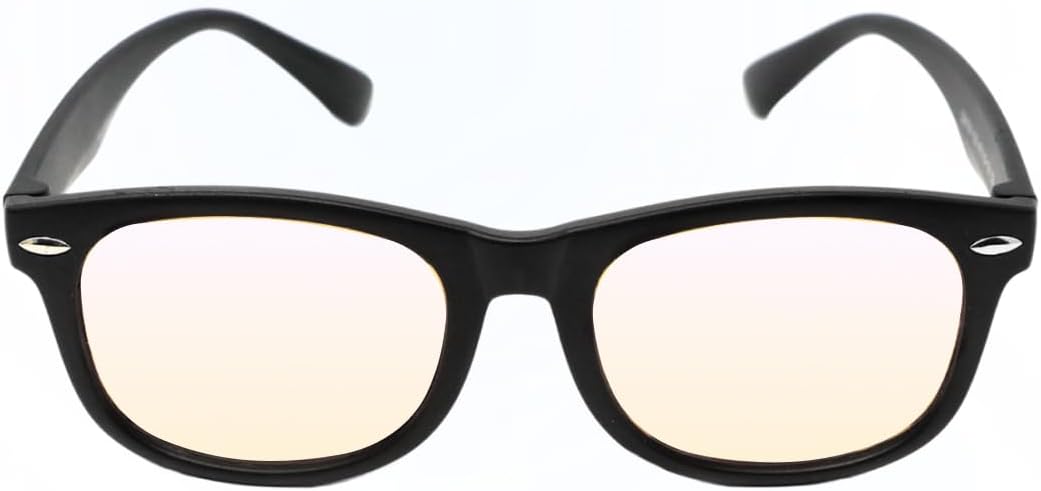
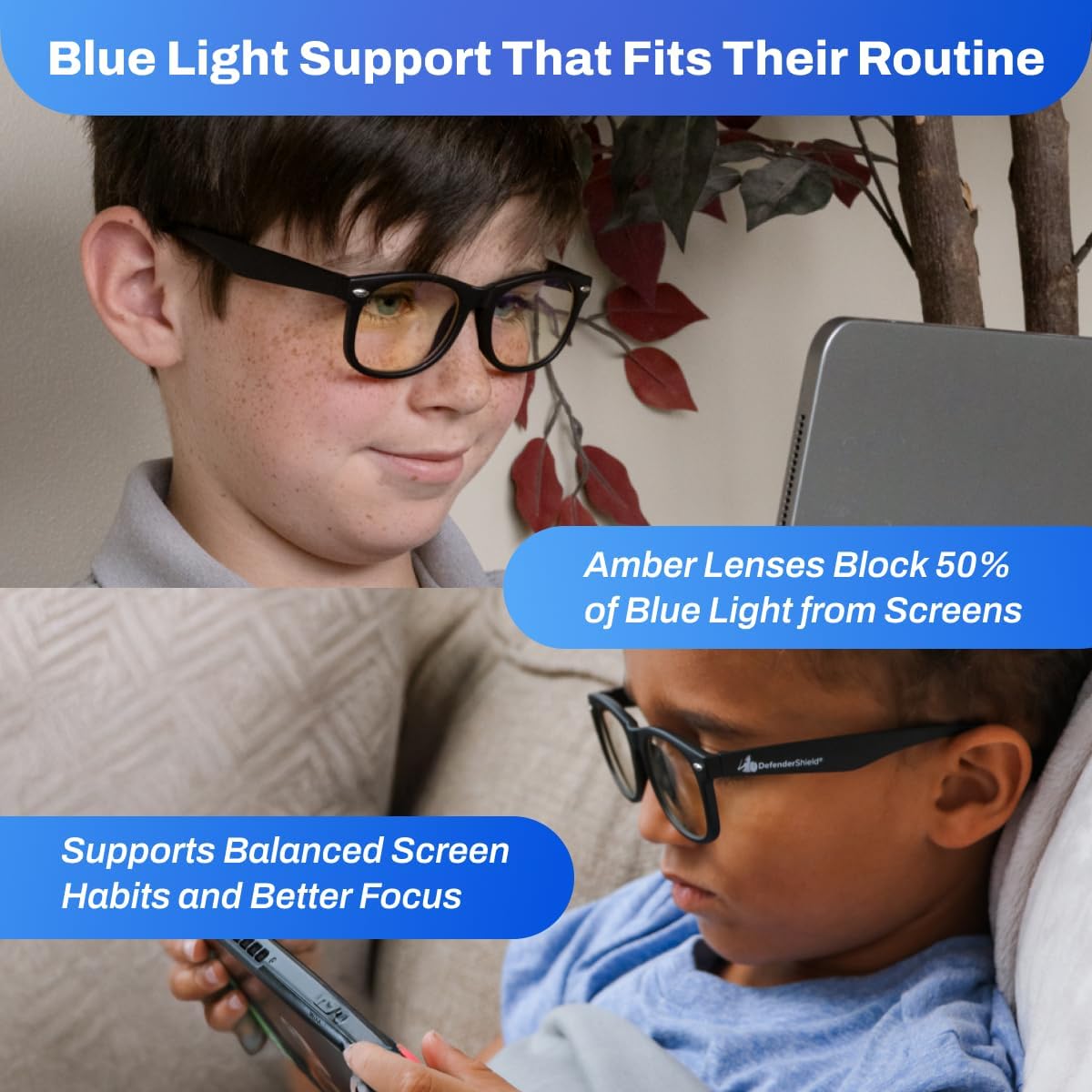
Between school laptops, tablets and games, many kids now spend hours a day looking at a screen. The DefenderShield Kids Blue Light Blocking Glasses are non-prescription glasses with a light amber tint that filters about half of the blue light coming off those screens. Just as important for parents, they're built for children: bendy frames, shatterproof lenses and ear hooks that keep them on a moving head.
Here's who they suit, what stands out, and an honest look at what blue light glasses can and can't do.
Who it's for
- Kids with lots of screen time for school, reading apps or gaming.
- Families with an evening screen habit, where a warmer view before bed is the goal.
- Children who don't wear prescription glasses. These have no corrective power.
- Parents tired of broken frames. The flexible build is meant to survive backpacks.
What we liked
- A tint kids will tolerate. The amber lenses filter around 50% of blue light while keeping colors fairly natural, so cartoons and schoolwork don't turn orange.
- Flexible, kid-proof frames. They bend instead of snapping when sat on or twisted.
- Shatterproof lenses. A real safety point for glasses worn during play.
- Adjustable silicone ear hooks. They give a non-slip grip and can be set for different head sizes, so the glasses stay put when a child looks down at a tablet.
- Anti-glare and anti-smudge coatings. Fewer reflections from overhead lights and easier cleaning after sticky fingers.
- Lightweight and fun. The purple frames look like something a kid chose, which matters for getting them worn at all.
What could be better
- The science on eye strain is thin. The American Academy of Ophthalmology does not recommend blue light glasses for computer use, because tired eyes mostly come from staring without blinking, not from blue light itself. These glasses won't hurt, but breaks matter more.
- Half, not all. A 50% daytime filter is deliberately mild. For the hour before bed, dimming the screen or putting it away does more for sleep.
- No prescription. A child who squints, gets headaches or sits very close to the screen needs an eye exam, not a tinted lens.
- Sizing is one-style-fits-most. The ear hooks help, but very young toddlers and older teens are at the edges of the fit.


Key specs explained
- Amber lenses, 50% filter: the warm tint absorbs part of the blue end of the spectrum. Lighter tints like this are for daytime; darker orange or red lenses block more but distort color.
- Non-prescription: the lenses are flat, with no magnification or correction.
- Anti-glare coating: cuts reflections on the lens surface, which helps under classroom lights.
Tips for getting the most out of them
- Pair them with the 20-20-20 rule: every 20 minutes, look at something 20 feet away for 20 seconds.
- Adjust the ear hooks at home before sending them to school.
- Use the device's night mode too. It shifts the screen warmer at the source.
- Set a screens-off time before bed; glasses are a helper, not a replacement.
- Clean with a microfiber cloth, not a shirt hem, to protect the coatings.

Frequently asked questions
Q: Are these prescription glasses? No. They have no corrective power.
Q: Will they change how colors look? Slightly warmer, but the 50% filter keeps colors close to natural.
Q: Are the lenses safe for active kids? They're described as shatterproof, and the frames flex rather than break.
Q: Can adults wear them? They're sized for children. DefenderShield sells adult styles separately.
Should you buy them?
If you want a sturdy pair of kids' screen glasses, these get the practical parts right: they stay on, they survive rough handling and the tint is mild enough that kids keep them on. Go in with realistic expectations, though. They're a comfort accessory, best used alongside regular screen breaks and a sensible bedtime routine, and no substitute for an eye exam if your child is struggling to see.
Buy on Amazon